From Paris to the Tropics: How Michelin-Trained Chefs Transform Haute Cuisine with Island Ingredients
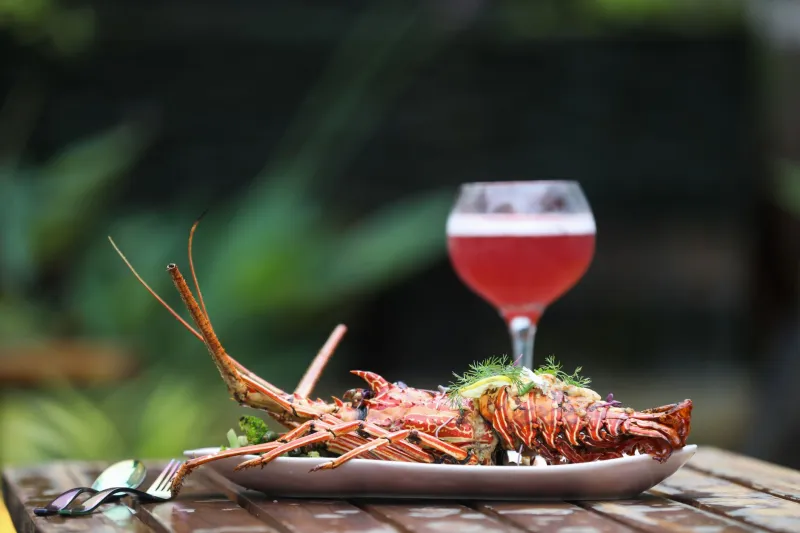
There is a particular moment, familiar to anyone who has dined well in Saint Barthélemy, when the flavors of France and the Caribbean resolve into something entirely new. It might arrive as a bisque of locally caught spiny lobster, finished with a whisper of vanilla grown a few hundred miles away. Or as a fish crudo brightened by lime and sea salt harvested from the shallows near Gustavia. This is the culinary dialect of St. Barth — fluent French, spoken with an island accent.
A Small Island with an outsized Culinary Footprint
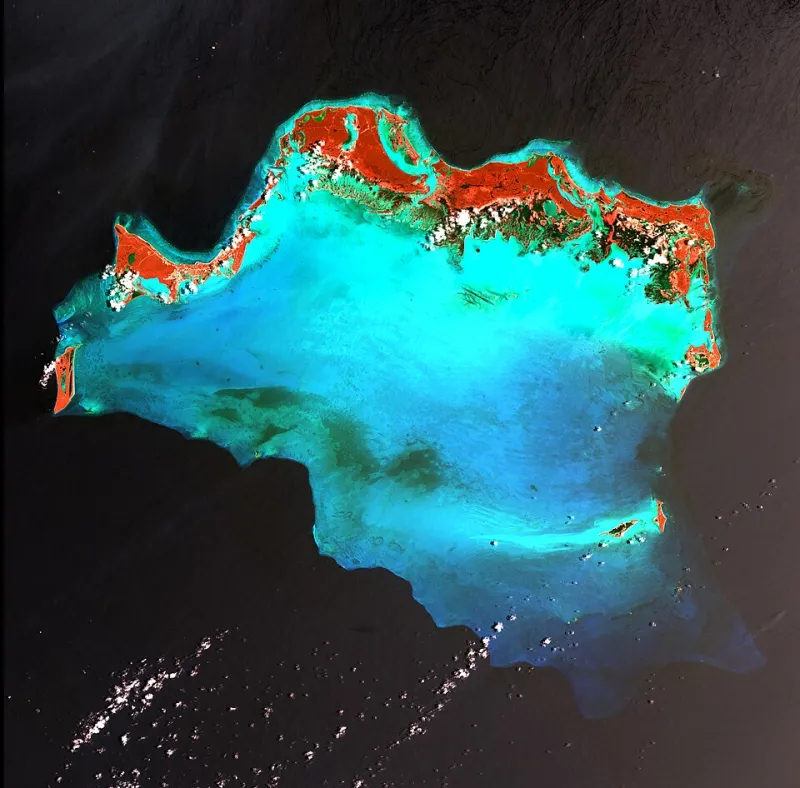
Saint Barthélemy measures barely nine square miles, yet each winter it hosts a concentration of gastronomic talent that would rival any capital city. The island's French heritage — it remains a collectivity of France — means the culinary foundations are unmistakably Gallic: precise sauces, meticulous technique, and an almost reverent approach to sourcing.
What distinguishes St. Barth, however, is what happens when classically trained chefs confront the island's pantry. The ingredients are not the ones they trained on. There is no Bresse chicken or Normandy butter waiting at the dock. Instead, there is spiny lobster pulled from the reef, wahoo and mahi-mahi brought in by local fishermen each morning, and mangoes, soursop, and passion fruit ripening in the tropical heat.
The Discipline of Adaptation
Ask any of the visiting chefs what the island demands of them, and the answer tends to converge on a single idea: subtraction. In Paris or Lyon, complexity can be layered into a dish across hours of preparation. In the Caribbean heat, with ingredients this fresh, restraint becomes the highest expression of skill.
A Michelin-trained chef might spend a decade perfecting a beurre blanc, only to arrive in St. Barth and discover that the dish wants lime, not butter. The technique remains — the knife work, the timing, the exacting standards — but the flavor vocabulary shifts. Coconut milk steps in where cream once stood. Allspice and Scotch bonnet pepper make quiet appearances beside the thyme and tarragon.
This is not fusion for its own sake. It is something closer to translation: preserving the rigor of French cuisine while allowing Caribbean ingredients to speak in their own voice.
The Festival as a Meeting of Minds
The St. Barth Gourmet Festival has become the annual focal point for this exchange. Each year, celebrated chefs from France and the United States take up residencies in the island's kitchens, collaborating with resident chefs who know the local waters and markets intimately.
The marquee events — multi-course tasting dinners, beachside chef collaborations, and intimate chef's-table experiences — are designed to showcase what happens when two culinary traditions share one stove. A guest chef might arrive with a signature dish conceived for a Manhattan dining room and leave having reimagined it around the day's catch.
For American travelers, these dinners offer something increasingly rare: access. The dining rooms are small. The chefs are present, often walking between tables. And the setting — whether a clifftop terrace in Colombier or a candlelit courtyard in Gustavia — turns each meal into an occasion that lingers well past the last glass of Champagne.
Planning Your Culinary Itinerary
For those building a trip around the festival, a few considerations will elevate the experience:
- Book early. The most anticipated tasting dinners sell out months in advance, particularly those featuring chefs with established American followings.
- Balance the calendar. Alternate elaborate tasting menus with simpler meals — a rotisserie chicken lunch at a beach shack in Grand Cul-de-Sac is as essential to understanding St. Barth's food culture as any gala dinner.
- Talk to the chefs. Festival events in St. Barth tend to be personal by design. Ask questions. The stories behind the dishes — the fisherman who supplies the lobster, the hillside grove that grows the limes — are part of the meal.
The Lasting Impression
What stays with visitors long after they depart is not a single dish but a sensibility: the understanding that great cuisine is less about geography than about attention. The same discipline that earns stars in Paris, applied to a lobster pulled from the Caribbean that morning, produces something no guidebook can fully prepare you for.
The island is small. The flavors are not. And each winter, the chefs who gather here remind us that the finest French cooking has never really been about France at all — it is about wherever extraordinary ingredients meet an extraordinary hand.