The Four-Figure Forkful: Dissecting the Festival’s Priciest Plates and Their True Value
The St. Barth Gourmet Festival has long been synonymous with unapologetic indulgence, but even seasoned epicureans raise an eyebrow at the four-figure price tags attached to certain tasting experiences. A single bite—sometimes no larger than a postage stamp—can command $1,000 or more when rare truffles, aged caviar, and meticulous chef craftsmanship converge. For the affluent traveler accustomed to Michelin-starred dining from Manhattan to Monte Carlo, the question is not whether such extravagance exists, but whether it delivers commensurate pleasure. This analysis dissects the festival’s most expensive plates, tracing the journey from ingredient sourcing to the final flourish, and offers a practical framework for deciding when to splurge and when to skip the hype.
The Anatomy of a Four-Figure Bite
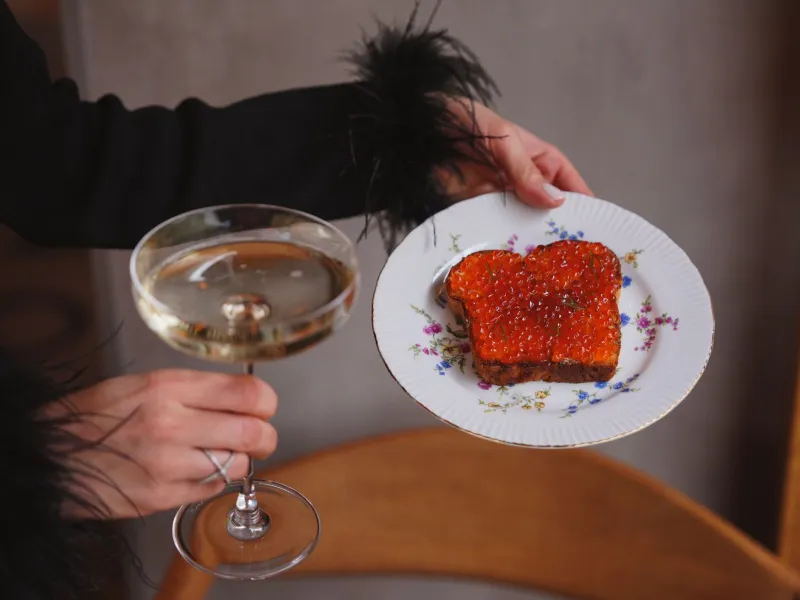
At the festival’s upper echelon, the $1,000 bite is rarely a gimmick. It is a carefully composed narrative of scarcity, skill, and sensory intensity. Consider a recent offering from a visiting Michelin-starred chef: a single spoonful of Oscietra caviar layered over a chilled sabayon of Caribbean sea urchin, crowned with a whisper of gold leaf and paired with a vintage Krug Clos du Mesnil. The ingredient cost alone exceeds $400 per serving, but the remaining value is intangible—the chef’s decades of training, the precision of timing, the exclusivity of the setting. “We are not selling food,” explains one participating chef, who requested anonymity to speak candidly. “We are selling a moment that cannot be replicated anywhere else on earth. The price reflects that singularity.”
Where the Money Goes: Ingredients, Labor, and Liquid Gold
Breaking down the economics reveals a delicate balance. Premium caviar, white Alba truffles, and A5 Wagyu from Kagoshima often account for 40 to 50 percent of the plate’s cost. Imported wine pairings—frequently grand cru Burgundy, vintage Champagne, or aged Barolo—add another 25 to 30 percent, particularly when sommeliers opt for library vintages that are nearly impossible to source. Labor is the silent multiplier: a dish requiring three chefs, two days of preparation, and a dedicated saucier can easily absorb $200 to $300 per serving in staffing alone. “The knife work, the reductions, the delicate plating—it all happens in a window of seconds,” notes a festival sommelier. “What you pay for is the choreography behind the curtain.”
Chefs and Sommeliers Weigh In: Art Versus Arithmetic
Ask the professionals, and opinions diverge. Some chefs defend the pricing as a necessary reflection of their craft and the island’s logistical realities—importing perishable luxury ingredients to St. Barth carries a premium that mainland restaurants never face. Others privately concede that the most extravagant bites are loss leaders designed to generate buzz and attract press attention. “There is a fine line between value and vanity,” admits one sommelier with two decades of festival experience. “The best experiences justify the cost through flawless execution and genuine rarity. The worst rely on theatrics—gold leaf, smoke, a dramatic reveal—to distract from ordinary flavors.” Affluent attendees tend to agree: they are willing to pay for authenticity, but they resent being treated as captive spenders.
The Attendee Perspective: Wow Factor or Wallet Fatigue?
Interviews with high-net-worth festival-goers reveal a pragmatic streak beneath the luxury. “I have no issue spending $1,000 on a bite if it changes the way I think about food,” says a Manhattan-based collector who attends annually. “But I have zero patience for a gimmick wrapped in a price tag.” Another attendee, a tech entrepreneur from San Francisco, compares the calculus to fine art: “You do not buy a Warhol for the canvas. You buy the story, the provenance, the conversation. The same applies to a chef’s most ambitious plate.” Still, several guests admitted to “wallet fatigue” after a series of high-ticket tastings, noting that the marginal pleasure of the fifth $1,000 bite diminishes rapidly compared to the first.
A Practical Guide to Splurging Smartly
For the discerning traveler, a few guiding principles can separate genuine value from expensive noise. First, prioritize experiences that showcase ingredients you cannot easily source elsewhere—Caribbean-caught langoustine, aged island rum, or produce from St. Barth’s fledgling hydroponic farms. Second, scrutinize wine pairings: a $500 supplement for a mid-tier Bordeaux is rarely worth it, while a modest markup on a rare vintage Champagne might be. Third, consider the chef’s reputation for consistency over spectacle. Fourth, avoid back-to-back extravaganzas; palate fatigue is real, and the second or third four-figure bite often registers as an expensive blur. Finally, ask the festival concierge for off-menu opportunities—sometimes the most memorable experiences are the least publicized, offered quietly to guests who demonstrate genuine curiosity rather than mere purchasing power.
The Verdict: When Extravagance Earns Its Keep
The $1,000 bite is neither inherently worthy nor inherently absurd. It exists on a spectrum of intent and execution. When a chef deploys rare ingredients with restraint, pairs them with wines of genuine provenance, and delivers a moment of transportive pleasure, the price becomes a footnote to the memory. When the same price buys theatrics over substance, the experience feels hollow—a transaction dressed as art. For the affluent culinary traveler, the smart approach is to splurge selectively, guided by curiosity rather than hype. After all, the most indulgent bite is not the most expensive one; it is the one you would gladly pay for twice.