Before the First Plate: The Invisible Hours That Make a Festival Morning Unforgettable
By 4:45 a.m., Gustavia Harbor is still wrapped in darkness, yet the harbor road is already alive. Pickup trucks idle near the dock, their beds lined with crates and ice. Somewhere beyond the breakwater, a fishing boat's running lights cut slowly toward shore. For the chefs of the St. Barth Gourmet Festival, this is the moment the day truly begins — hours before any guest fastens a linen napkin.
The Catch That Sets the Menu
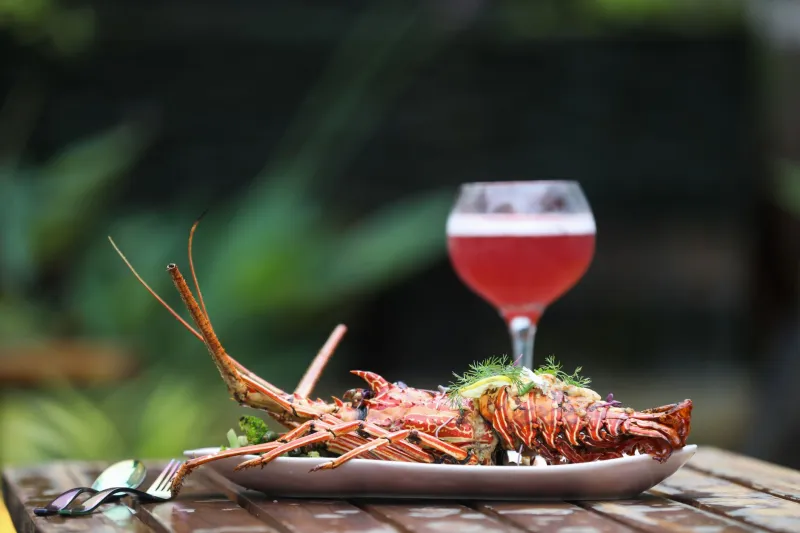
St. Barth's festival kitchens operate on a simple, non-negotiable principle: the day's menu is decided by the sea, not by the spreadsheet. When the fishermen arrive with mahi-mahi, wahoo, spiny lobster, and queen conch, executive chefs from visiting Michelin-starred restaurants gather at the dock not as spectators but as buyers, weighing fillets by hand and negotiating on the spot.
A visiting American chef might arrive with a beautifully composed tasting menu drafted months earlier in New York or Chicago. By 6 a.m., that menu may be quietly rewritten. A spectacular haul of mahi-mahi becomes a crudo with passion fruit and local chili. A modest catch shifts the evening's centerpiece toward the lamb and poultry already resting in the walk-ins. Flexibility, festival veterans will tell you, is the highest form of respect for an island this small.
Humidity: The Pastry Chef's Quiet Adversary
While the savory teams work the docks, a very different battle unfolds inside the festival's pastry pavilion. Tropical humidity is the silent antagonist of every chocolatier and viennoiserie specialist who has ever worked the Caribbean circuit.
Chocolate that tempers to a glossy snap in a climate-controlled kitchen in Lyon or Las Vegas behaves differently when the air itself carries moisture. Pastry chefs adjust constantly — lowering working temperatures, working in smaller batches, timing each temper before the air can sabotage the crystalline structure. Meringues and tuiles are baked in rotating shifts so nothing sits longer than necessary. Butter for croissant lamination is chilled, rolled, and chilled again with military discipline.
The result, when it works, is indistinguishable from magic: a perfect mirror-glazed entremet, shatteringly crisp, served at 8 p.m. on an island where the evening air still feels like a warm bath. What guests never see is the pastry team's dawn shift — the thermometers, the dehumidifiers, the quiet muttering in French over a batch of ganache that seized at 5:30 a.m.
Sommeliers Versus the Sun
Wine service in Saint Barthélemy presents its own logistical theater. A grand cru Burgundy that has traveled across the Atlantic in a refrigerated container still faces the final, most dangerous leg of its journey: the walk from storage to the tasting pavilion under a Caribbean sun.
Festival sommeliers treat this transition as seriously as any service ritual. Cellar tents are climate-controlled to precise temperatures, with whites held cool and reds kept a careful degree or two below cellar norm to account for warm glassware and warmer air. Bottles move between stations in insulated sleeves. Opening times are choreographed backward from each seminar — a 1996 vintage might be decanted ninety minutes ahead, but never left anywhere near direct light.
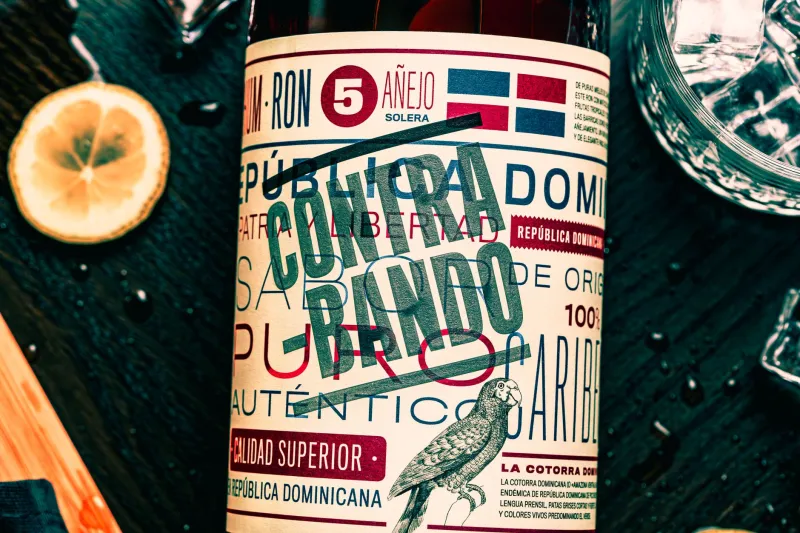
The island's heat also shapes what gets poured. Sommeliers increasingly build festival lists around racy whites from Chablis and the Loire, Alpine reds, and — naturally — the Caribbean's own aged rums, which handle the tropics with far more grace than a delicate Pinot Noir ever will.
The Choreography You Never See
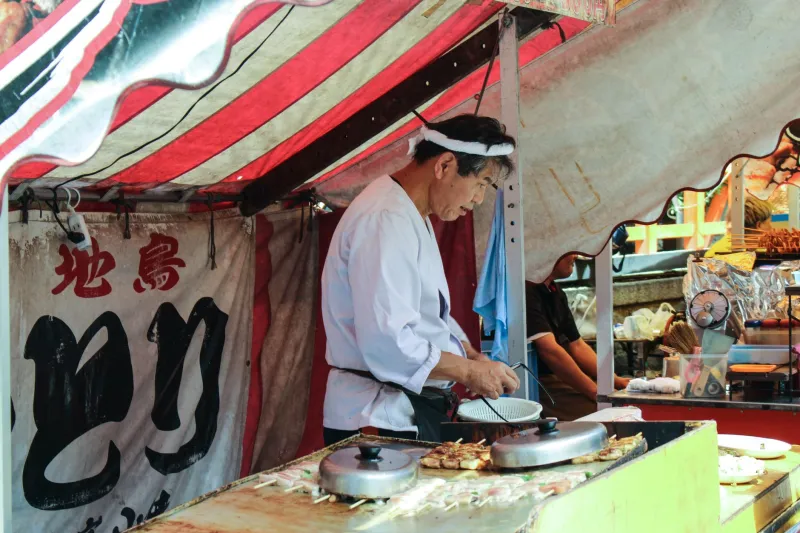
By 7 a.m., the festival site resembles a well-drilled stage production between acts. Loading zones hum with carts of produce from the island's small markets and provisions flown in from Guadeloupe and Saint Martin. Kitchen trailers are sanitized and stocked. Sound checks ripple across the waterfront. A brigade of local dishwashers and stewards — many of whom have worked every festival since its founding — moves through the tents with the unflappable calm of people who know exactly where everything belongs.
There is a quiet pride in this ecosystem. St. Barth may be a playground for the world's jet set, but its festival runs on the same virtues that sustain any great kitchen: punctuality, humility, and an obsessive relationship with freshness. The fishermen, the pastry chefs, the sommeliers, and the stewards are bound by a shared understanding — that luxury is not marble and crystal, but the invisible labor that makes effort disappear.
Why It Matters to the Guest
Here is the honest truth: no tasting ticket, however exclusive, grants access to these hours. The sunrise shift belongs to the island. And yet, knowing what happens before the first pour deepens every course that follows.
So when you attend the festival this season, take a moment between courses. Consider that the fish on your plate was swimming before most of the island woke. That the chocolate shell cracking under your spoon survived a humidity battle most pastry chefs never have to fight. That the wine in your glass was guarded through the heat like a state secret.
The indulgence, as it turns out, begins long before you arrive. It begins in the dark, on the dock, at dawn.