The Zero-Proof Convert: Inside St. Barth’s Non-Alcoholic Pairing Revolution at the 2026 Gourmet Festival
For decades, the phrase “wine pairing” has carried an implicit assumption: that the most sophisticated way to accompany a tasting menu is through fermented grapes, aged spirits, or at the very least, a meticulously chosen Champagne. But on an island where indulgence is a birthright, a quieter shift is underway. At the 2026 St. Barth Gourmet Festival, a growing contingent of chefs, sommeliers, and bar professionals are demonstrating that zero-proof pairings can be every bit as considered, every bit as luxurious, and—crucially—every bit as pleasurable as their alcoholic counterparts.
The movement is not about abstinence in the traditional sense. It is about curation. As more American travelers embrace the “sober curious” ethos—a term that has moved from wellness circles into mainstream luxury travel—the demand for non-alcoholic options has evolved from a perfunctory mocktail list into a genuine culinary pursuit. On St. Barth, that pursuit has found fertile ground.
Why the Island Is Rethinking the Pairing
St. Barth has never been a destination that rewards restraint. Its restaurants are bastions of butter, truffle, and caviar; its beaches are lined with rosé at noon. Yet the island’s dining culture is also remarkably responsive to its clientele. Affluent visitors, particularly those arriving from the United States, are increasingly vocal about wanting to maintain their health and clarity without sacrificing the sensory thrill of a great meal. The result is a demand for pairings that stimulate rather than sedate—and the island’s hospitality professionals have taken note.
“Five years ago, a non-alcoholic pairing meant a single option, usually something sweet and forgettable,” says one festival sommelier who asked not to be named. “Now, guests expect a flight. They want acidity, texture, aromatics. They want to be challenged.” That challenge is being met by a new generation of bartenders and beverage directors who treat zero-proof concoctions with the same rigor as a wine list.
The Craft Behind the Glass: Shrubs, Infusions, and Island Botanicals
The technical repertoire is impressive. At the heart of many zero-proof pairings lies the shrub—a Colonial-era preservation technique that combines fruit, sugar, and vinegar to create a concentrated syrup with bright, palate-cleansing acidity. On St. Barth, bartenders are deploying local ingredients: passion fruit, guava, soursop, and hibiscus are transformed into shrubs that offer the structure and length of a fine wine.
Infusions play an equally important role. Island spices—cinnamon, nutmeg, allspice, and the fiery Scotch bonnet—are steeped in non-alcoholic bases such as verjus, coconut water, and cold-brewed herbal teas. The goal is complexity, not compensation. “We are not trying to mimic wine,” explains a bar director at one of the festival’s participating venues. “We are trying to create something that stands on its own, that has its own sense of place.”
Botanical distillates, often produced without alcohol, add another layer. Sorrel, lemongrass, ginger, and lime leaf are used to build aromatic profiles that can stand up to rich, fatty dishes. The resulting drinks are frequently lower in sugar than traditional cocktails, with a bracing freshness that resets the palate between courses.
Chefs Design Menus Around the Zero-Proof Pour
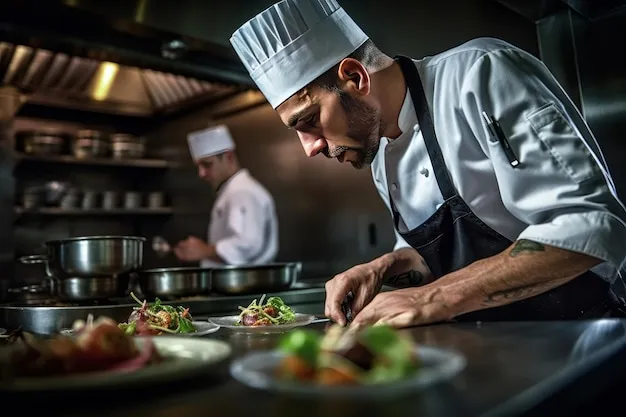
What distinguishes the 2026 festival from a simple proliferation of mocktails is the extent to which chefs are integrating these pairings into their tasting menus from the outset. Rather than offering a non-alcoholic alternative as an afterthought, several chefs have designed entire menus with zero-proof pairings in mind—sometimes even making the non-alcoholic flight the default option.
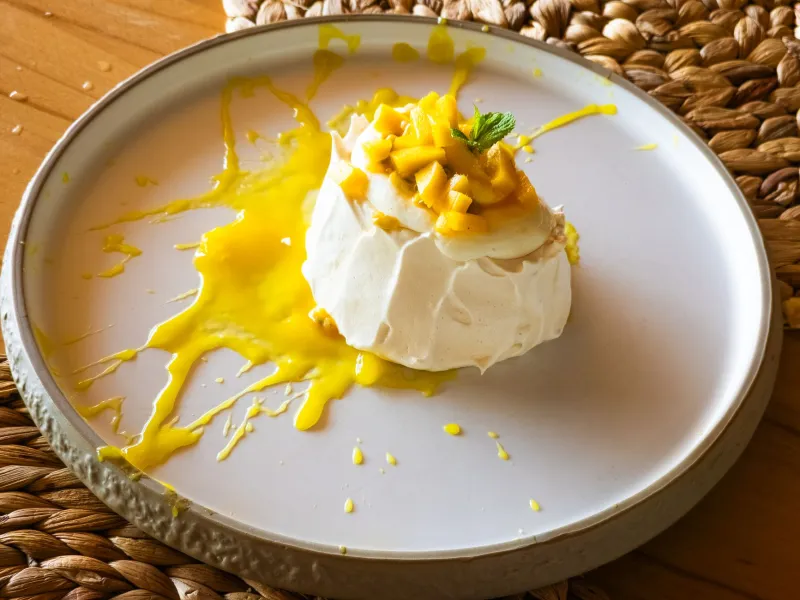
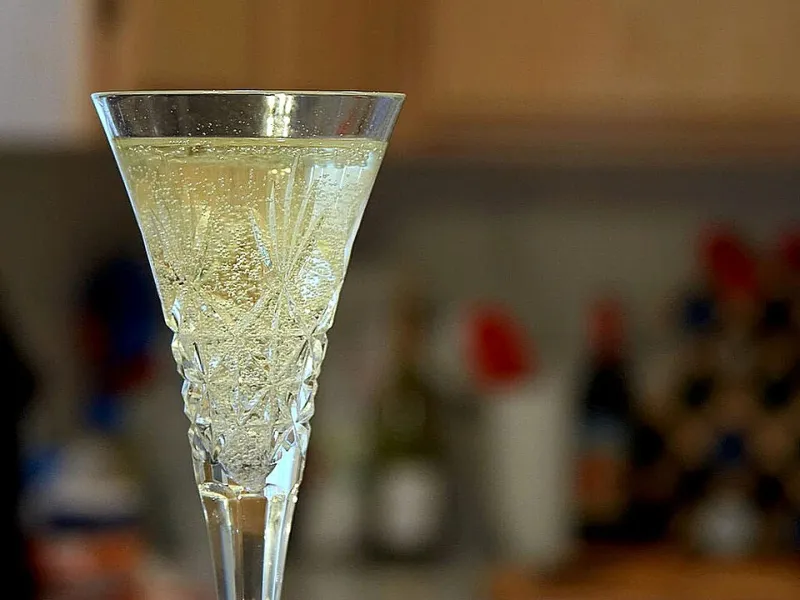
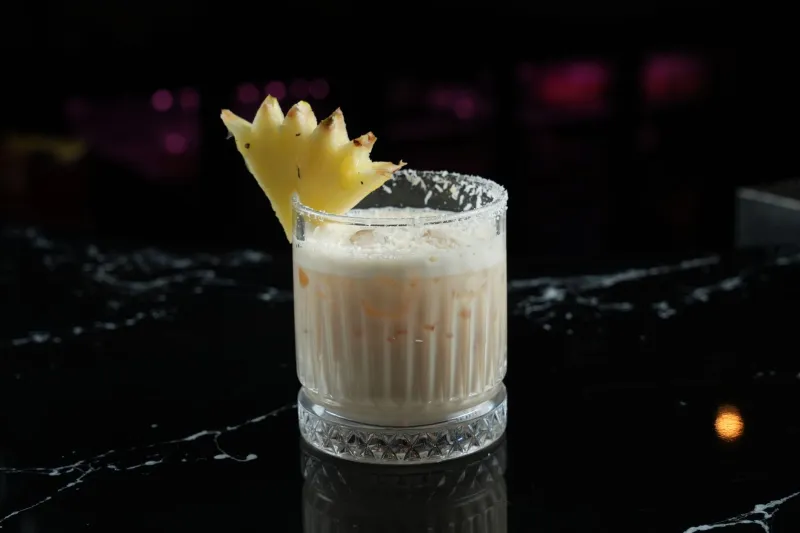
At one festival dinner, a sequence of seafood courses is accompanied by a clarified tomato water infused with basil and a touch of sherry vinegar, served in a chilled coupe. The drink’s umami and acidity mirror the brininess of the fish while cutting through the richness of a beurre blanc. Later, a dessert of caramelized pineapple and rum-soaked raisins is paired with a fermented pineapple tepache, lightly carbonated and finished with a grating of tonka bean. The effect is not a compromise; it is a parallel expression of the same dish.
“When a chef designs a menu, they think about progression, contrast, and balance,” says one participating chef. “A zero-proof pairing gives us another tool to achieve that. It is not a subtraction. It is an addition.”
A New Marker of Sophistication
For affluent travelers, the appeal of zero-proof pairings extends beyond health. It is also a signal of discernment—a way to demonstrate that one’s appreciation of fine dining is not dependent on alcohol. In a world where the most exclusive experiences are increasingly defined by personalization and mindfulness, the ability to offer a sophisticated non-alcoholic flight has become a quiet marker of a restaurant’s confidence and creativity.
This is particularly true in the context of St. Barth, where the competition for discerning palates is fierce. Restaurants that once treated non-alcoholic options as a box-ticking exercise are now investing in dedicated glassware, bespoke ice programs, and trained staff who can speak knowledgeably about the provenance of a shrub or the bitterness profile of a botanical distillate. The result is a zero-proof experience that feels not like an accommodation, but like an invitation.
Navigating the Zero-Proof Offerings at the 2026 Festival
For those attending the 2026 St. Barth Gourmet Festival, the zero-proof options are not hidden. Many participating venues now list non-alcoholic pairings alongside their wine flights, often with detailed tasting notes. It is advisable to inquire when booking, as some pairings are limited to a certain number of covers per evening. Festival-goers should also look for dedicated seminars and tastings focused on fermentation, shrubs, and non-alcoholic mixology—events that have proven surprisingly popular among both sober and drinking guests.
Perhaps the most compelling reason to explore these pairings is simply that they are delicious. They offer a different kind of pleasure: brighter, more agile, and often more refreshing in the Caribbean heat. They allow a diner to remain fully present—to savor the conversation, the setting, and the food without the haze of alcohol. In a destination that has long equated indulgence with excess, that is a quietly radical proposition.
As the sun sets over Gustavia harbor and the festival’s evening events begin, the clink of glasses no longer tells a single story. Some of those glasses are filled with wine, yes. But others hold a passion fruit shrub, a clarified coconut water, a hibiscus-infused verjus. Each is a testament to the evolving palate of luxury—one that values balance, creativity, and the simple joy of a beautifully made drink. The zero-proof movement has arrived in St. Barth, and it is anything but abstemious.